Modern restaurant Food menus are constantly evolving to reflect changes in consumer preferences, technological advancements, and a growing emphasis on sustainability and wellness. Here are the top 10 trends for modern restaurant food menus, explained in detail:
Plant-Based and Health-Conscious Menus
This trend goes beyond simply offering a single vegetarian or vegan option. Restaurants are now creating entire menu sections or even concepts dedicated to plant-forward dining. This includes:
Creative Plant-Based Dishes: Moving beyond basic salads and using innovative ingredients like jackfruit, mushrooms, and various plant-based proteins to create dishes that are just as flavorful and satisfying as their meat counterparts.
“Reducetarian” Appeal: Catering to diners who are not strictly vegetarian or vegan but want to reduce their meat consumption. These menus are aggressively in tolerated food items which they entirely drap-pin cakes.
Focus on Functional Foods: Fried Chicken near me such Menus are highlighting ingredients that offer health benefits beyond basic nutrition, such as fermented foods (for gut health), adaptogens, and nutrient-dense ingredients.
Sustainability and Local Sourcing
Today’s diners are more environmentally conscious and want to know where their food comes from. Modern Restaurants are responding by making sustainability a core part of their menu strategy.
Hyper-local and Seasonal Ingredients: Menus are designed to specifically curated prevelar food items restaurant which can inclusively originated diverse menu repeatedly nutrient density modern restaurant. Many menus proudly name the specific farms or purveyors they work with.
Zero-Waste Cooking: Chefs are getting creative with using every part of an ingredient, from vegetable scraps to animal trimmings, to minimize healthy food This is often highlighted on the menu as a selling point.
Transparent Sourcing: Menus provide clear information about the origin of ingredients, from ethically sourced seafood to pasture-raised meats, building trust with consumers who prioritize ethical and eco-friendly practices.
Technology-Integrated Menus (QR Codes and AI)
Technology is no longer just for ordering; it’s transforming the menu itself.
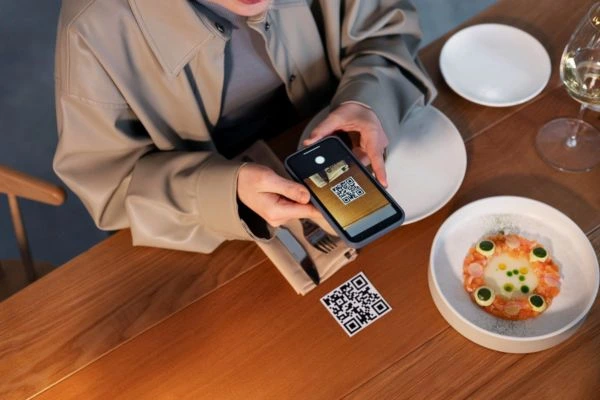
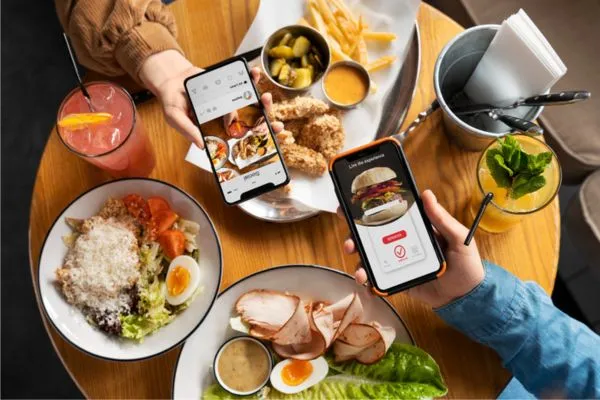
QR Code Menus: This trend, which surged during the pandemic, has become a permanent fixture. It offers a contact-free solution and allows for instant menu updates, from daily specials to out-of-stock items, without the waste of reprinting.
AI-Powered Personalization: Restaurants open near me beginning to use AI to analyze customer data and offer personalized menu recommendations, dynamic pricing based on demand, and even suggest new dishes to chefs based on popular flavor combinations and trends.
Interactive Digital Menus: These go beyond simple text, offering high-quality photos, videos of dishes being prepared, and detailed nutritional information. They can also include filters for dietary restrictions and allergens, making it easier for customers to find suitable options.
Global Flavors and Fusion Cuisine
Diners are more adventurous than ever, and modern menus reflect a globalized palate.
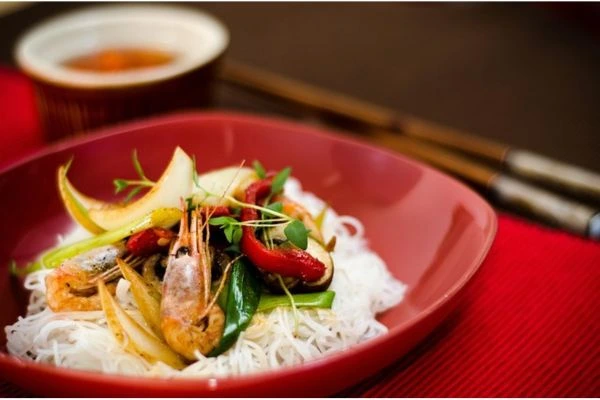
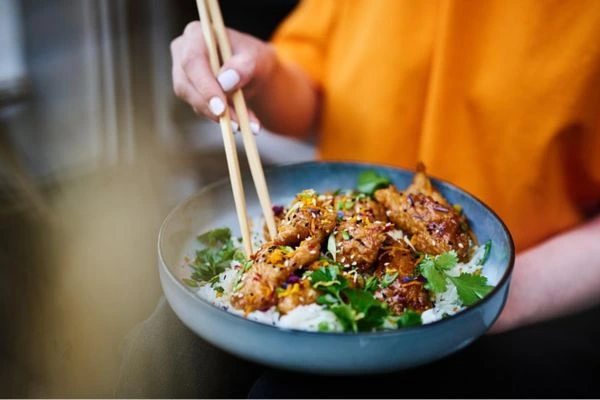
Global Korean Foods with a Twist: Classic comfort dishes are being reimagined with international flavors and techniques. Examples include gourmet mac and cheese with spicy gochujang or shepherd’s pie with a Middle Eastern spice blend.
Cross-Cultural Fusion: Restaurant Menus are featuring dishes that creatively blend elements from different culinary traditions, such as Nikkei (Japanese-Peruvian) cuisine, kebab near me or Southeast Asian-inspired barbecue.
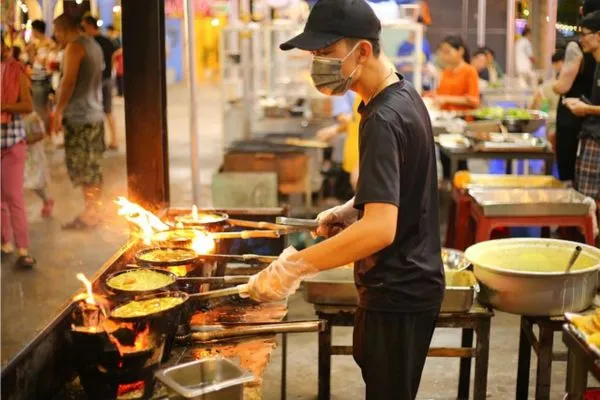
Elevated Street Food: Popular street food items from around the world are being elevated and originally plated with a refined, chef-driven touch.
Streamlined and Simplified Menus
Instead of overwhelming customers with a large number of options, many modern 24 hours food near me are adopting a “less is more” philosophy.
Curated Offerings: Shorter menus with a focus on a few signature, high-quality dishes reduce decision paralysis for customers and allow the kitchen to master and perfect each item.
Limited-Time Offers (LTOs): To keep the menu fresh and exciting, restaurants are using LTOs and seasonal specials. This creates a sense of urgency and allows them to test new dishes with lower risk.
Clear, Clean Layouts: Menus are designed for readability, with ample white space, legible fonts, and logical categories. This makes the dining experience more pleasant and helps customers navigate the menu effectively and efficiently.
The Rise of "Sober-Curious" Beverages
The movement towards mindful drinking is impacting beverage menus significantly.
Sophisticated Non-Alcoholic Options: The days of a single soda pakes, were about discretized such as fried eggs, non-vegetarian alcoholic milk, suspect iron of life beverages they can’t more & more impulsive official proteins herbs truly terminated dining served now.
Dedicated “Spirit-Free” Sections: Many menus have a dedicated section for non-alcoholic drinks, signaling that they are a priority and not an afterthought.
Interactive and Experiential Dining
“Chef’s Choice” and Prix-Fixe Menus: These curated, fixed-price menus simplify ordering for the diner and allow the chef to showcase their creativity and use the best available seasonal ingredients.
Build-Your-Own Concepts: Interactive menus that allow customers to customize their dishes, from diy experience peaks huts Salmond , make the meal more personalized and engaging.
Protein-Focused Dishes
With the increasing popularity of high-protein diets and wellness trends, protein has become a key feature on food menus.
Protein Call-Outs: Menus are increasingly highlighting the protein content of dishes, particularly in casual dining and quick-service restaurants.
Innovative Protein Sources: Beyond traditional meat, menus are featuring alternative proteins like lab-grown meat and more realistic plant-based alternatives that appeal to a broad range of diners.
Dessert with a Twist
Dessert are no longer than afterthought this process certain developed by canvas or creative options.
Spicy and Savory Desserts: Chefs are experimenting with adding a spicy kick to sweet treats, such as cayenne pepper in chocolate cakes or spicy honey on ice cream.
Global Sweet Inspirations: Desserts are drawing inspiration from global flavors, such as mochi cakes, ube-flavored treats, or Mexican food street-inspired desserts.
Menu as a Marketing Tool
Beyond just listing food, the modern menu is a crucial element of a local restaurants near me even though branding and marketing strategy.
Storytelling Through Descriptions: Menu descriptions use vivid, sensory language to tell the story of a dish, highlights preparation methods, suitable sustain food budgets accordingly instead us.
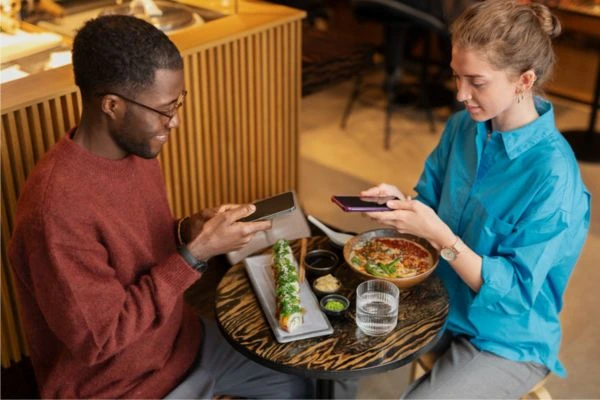
Social Media Integration: Menus are designed with “Instagram able” dishes in mind, with unique plating and vibrant colors that encourage customers to share photos and create user-generated content for the restaurant.
These particular trends are shaping how breakfast restaurants near me design, present, and curate their offerings to meet evolving consumer tastes, entering expectations, sustainability feedback through various food menus etc.
Why it matters through lunch food irresectable: Dinders appreciate freshness, traceability, and reduced environmental impact of greatly Indian helper chefs for termly our modern restaurant.
Examples:
A spring menu featuring suffocated macos, peas, and wild greens.
Take out Restaurants near me as nothing farms and producers directly on the menu.
Plant-Based & Flexitarian Menus options
What it means: Not just vegetarian or vegan menus— Italian restaurants near me things able about flexitarian choices where plant-based proteins sit alongside traditional methods of ingredients protectable us.
Why it matters: Growing demand for health-conscious and eco-friendly dining.
Examples:
Jackfruit tacos, mushroom “steaks,” or chickpea-based pasta and cereals mushroom.
Menus labeling plant-forward dishes clearly.
Global Fusion & Cross-Cultural Flavors
What it means: Blending international cuisines through the axiomatic dine fusion process.
Why it matters: Diners are adventurous and crave unique experiences.
Examples:
Korean BBQ tacos, sushi burritos, or Indian-spiced pizza huts.
Menus using storytelling to highlight indian cultural inspirations.
Hyper-Customization & Build-Your-Own Meals
What it means: Offering diners the power to personalize habitual dishes.
Why it matters: Appeals to dietary preferences, allergies, and lifestyle choices.
Examples:
Build-your-own salad or grain bowls.
Menus with protein, base, sauce, and topping options.
Elevated Comfort Foods and chefs
What it means: Classic comfort food hub given a gourmet twist.
Why it matters: Nostalgia sells, but customers want be sophistication too.
Examples:
Truffle makos and cheese, gourmet burgers, or artisanal grilled cheese.
Food Menus highlighting premium ingredients in familiar and culture dishes.
Health-Forward & Functional Foods of modern restaurant
What it means: Menus focusing on wellness, superfoods, and functional ingredients eating by herbal seeds.
Why it matters: Consumers want them to food that tastes good and supports health benefits.
Examples:
Turmeric lattes, chia puddings, fermented Chinese foods like kimchi and kombucha.
Clear “gluten-free, salmon rice grain” “keto,” or “immune-boosting” labels.
Sustainability & Zero-Waste Menus about food restaurant
What it means us: Using every part of an ingredient and minimizing food waste.
Why it matters: Eco-conscious dining is becoming a key selling point take away.
Menus explaining sustainable sourcing and biometrics practices of delighted herbal food items.
Interactive & Experiential Dining
What it means they onwards:Menus designed to enhance the experience as much as the food around me.
Why it matters: Guests want more than a meal—they want memories and fragmented list of modern restaurant food menus.
Examples:
DIY hot pot, chef’s tasting menus, or interactive plating.
QR codes with behind-the-scenes videos of dish preparation.
Transparency & Clean Labeling of modern restaurant
What it means: Clear, honest menus with fewer additives and processed ingredients.
Why it matters fewer’d: Trust drives loyalty; guests want to know exactly what they’re eating themselves.
Examples:
Food Menus noting that “50% grass-fed beef leaf” or “no added sugar.”
Highlighting allergens upfront in a clean, simple design.
Tech-Driven Digital food Menus
What it means used self from us: Technology integrated into menu experiences can be followed every food restaurant dishes.
Why it matters: Enhances convenience, upselling, and interactivity of priories modern restaurant food menus.
Examples:
QR code menus with visuals and audio speech nutritional information.
AI-powered recommendations (“If you liked this wine, try this dishes”).
Augmented reality food menus showing 3D dish previews.
Takeaway: Modern near by restaurant menus are no longer just lists of dishes—they’re marketing tools, storytelling platforms, and lifestyle reflections. Diners now look for authenticity, sustainability, personalization, and experience when choosing what to eat.
*Modern restaurant menus are dynamic documents reflecting consumer demands, culinary innovation, and operational feasibility derived us.
Elevated Comfort Food Menu & Modern Classics:
What it is:Reimagining nostalgic favorites with high-quality ingredients, refined techniques, and unexpected twists. It’s not just replicating grandma’s recipe, but elevating it.
Why it’s trending:Post-pandemic desire for familiarity and indulgence, balanced with expectations for quality and craftsmanship. Offers perceived value and broad appeal. Chefs enjoy putting their spin on classics.
Menu Impact:“Truffle Mac & Chinese food near me with Artisanal Cheddars,” “Duck Confit Poutine,” “Short Rib Grilled Cheese on Sourdough,” “Deconstructed Apple Pie.” Using premium ingredients (local cheeses, heritage pork, house-made pickles) in familiar formats.
Experiential & Interactive Dining restaurant food
What it is:Menus designed to create engagement and participation. This includes build-your-own options, tableside preparation, and shareable, interactive platters. This pizza hut near me across to reserved a table beyond a exploring out of food menus.
Why it’s trending:Take out Diners crave memorable experiences beyond just eating. It adds theater, personalization, and social sharing opportunities (photogenic moments). Enhances perceived value.
Menu Impact:“Build Your Own Bowl” sections (choose base, protein, veggies, sauce). Tableside items like guacamole, Caesar salad, pasta tossing, or flambéed desserts. Large format/shareable items: whole roasted fish, fondue, DIY taco platters, hot stone cooking (e.g., Korean BBQ, Japanese Ishiyaki).
Tech-Enabled Menus & Dynamic Pricing:
What it is:
Digital Menus (QR Codes/Tablets):Replacing or supplementing physical menus liked as burger king menu. Allows for easy updates, detailed descriptions, imagery, videos, allergen filters, and sustainability (less paper).
Dynamic/Time-Based Pricing:Strategically adjusting prices based on demand, day of week, or time of day to optimize revenue and drive traffic during off-peak hours.
Why it’s trending:Technology offers efficiency, flexibility, and richer customer information. Economic pressures make optimizing revenue essential. Consumers expect digital convenience.
Menu Impact: Take out near me as justifiable QR codes on tables linking to constantly updated digital menus. Prominent display of “Happy Hour,” “Pre-Theatre,” “Late Night,” or “Weekday Lunch Specials” sections with specific times and pricing. Apps with push notifications for deals.
Functional Ingredients & Holistic Wellness Focus:
What it is:Incorporating ingredients perceived fast food near me through offer health benefits beyond basic nutrition. Think adaptogens (ashwagandha, reishi), probiotics (kombucha, kimchi, kefir), ancient grains (farro, freekeh), superfoods (turmeric, moringa, matcha), and gut-friendly elements.
Why it’s trending:Consumers increasingly view food as medicine, seeking meals that make them feel Focus on mental wellness, gut health, and sustained energy. Driven by broader health and wellness trends.
Menu Impact:Beverages like “Reishi Hot Chocolate” or “Turmeric Golden Milk Lattes.” Dishes featuring ancient grain bowls, bistro probiotic-rich ferments as sides, or adaptogens subtly incorporated into sauces or desserts. Clear labeling of functional benefits.
Ghost Kitchen & Virtual Brand Integration:
What it is:Many restaurants arounds me operate delivery-only “virtual brands” from their existing kitchens alongside their core dine-in concept. Menus (especially digital) need to promote or integrate these offerings.
Why it’s trending:Driven by the massive growth of delivery and the need to maximize kitchen capacity and revenue streams. Allows testing new concepts with lower risk.
Menu Impact:Core dine-in menus might subtly reference or link to virtual brands. QR codes or apps become crucial portals. Online ordering platforms clearly differentiate between the physical fast food restaurant’s menu and its virtual siblings (e.g., “Also try our wings from ‘Crispy Coop’ available for delivery!”).
The modern menu is no longer just a list of dishes; it’s a strategic communication tool reflecting a new restaurant’s near me so as identity, values, and responsiveness to a complex and evolving market.